
Understanding the Shift From Mileage to Recovery in Women's Running
For a long time, the conversation around running performance has been dominated by a single question: how many miles did you run this week? Training logs, running apps, and even casual conversations between runners tend to orbit around distance as the primary measure of effort and progress. Yet an increasing number of sports scientists, coaches, and athletes — particularly women — are questioning whether mileage alone tells the full story of athletic development. What is slowly but steadily gaining traction is the idea that recovery quality is not just a supporting metric, but arguably the most critical variable in determining whether a runner improves, stagnates, or breaks down entirely.
This shift is more than a trend. It is rooted in a growing body of physiological research showing that the body does not actually adapt to training during a run — it adapts during rest. The stress applied through each workout creates micro-damage in muscle tissue, temporarily suppresses immune function, and depletes glycogen stores. None of these systems rebuild while you are moving. They rebuild during the hours afterward, during sleep, and on rest days. When recovery is incomplete, the body enters each subsequent session at a deficit, compounding fatigue rather than building fitness. Understanding this cycle fundamentally changes how thoughtful runners approach their training week.
Why Women's Recovery Physiology Deserves Specific Attention
Women are not simply smaller versions of male athletes, and the physiology of recovery reflects this clearly. Hormonal fluctuations across the menstrual cycle create meaningful variation in how the body responds to training stress at different points in the month. During the follicular phase, when estrogen levels are rising, many women report feeling stronger and more resilient, with faster perceived recovery between sessions. During the luteal phase, when progesterone dominates, core body temperature rises, sleep quality often dips, and the body tends to rely more heavily on fat as a fuel source, which can affect high-intensity output and recovery speed.
These are not minor fluctuations. Research published in sports medicine journals has consistently shown that injury risk, performance output, and emotional readiness to train all vary in statistically significant ways across the menstrual cycle. Despite this, most mainstream training plans are still built on a gender-neutral model that does not account for these rhythms. Women who train according to a fixed, linear progression without attention to hormonal context are often working against their own biology rather than with it.
Sleep compounds this picture further. Women are statistically more likely than men to experience insomnia, disrupted sleep architecture, and the effects of sleep deprivation on mood and cognitive function. Because sleep is the single most important recovery window the body has access to, any consistent shortfall in sleep duration or quality creates a cumulative drag on physical adaptation and injury resilience. Tracking sleep — not just hours logged, but actual sleep stages and continuity — gives female athletes a much clearer picture of whether their bodies are actually rebuilding between workouts.
The Metrics That Actually Predict Readiness to Train
When runners start tracking recovery rather than just mileage, a new set of metrics comes into focus. Heart rate variability, or HRV, has emerged as one of the most reliable daily indicators of nervous system recovery status. HRV measures the variation in time between consecutive heartbeats, and a higher value generally indicates that the autonomic nervous system is well-recovered and balanced. A sudden drop in HRV — particularly when combined with elevated resting heart rate — is often a signal that the body is under stress, whether from training load, illness, poor sleep, or emotional strain.
Resting heart rate is another accessible metric that provides meaningful context. While a single reading means little in isolation, the trend over days and weeks tells a story about whether the body is adapting positively to training or accumulating unresolved fatigue. A runner who sees their resting heart rate creeping upward over several consecutive mornings is receiving a physiological signal worth paying attention to, even if subjectively they feel fine.
Blood oxygen saturation, measured as SpO2, reflects how efficiently the respiratory system is delivering oxygen to the bloodstream. While dramatic variations are uncommon in healthy runners at sea level, consistent monitoring can reveal patterns during illness recovery, periods of high training load, or altitude exposure. Stress indicators drawn from heart rate pattern analysis offer yet another layer — capturing the balance between sympathetic and parasympathetic nervous system activity that underlies feelings of readiness, motivation, and emotional regulation.
The Colorado Runner Magazine recently published a detailed examination of this exact phenomenon, exploring cudis ring women and why more athletes are turning to recovery data rather than mileage logs as their primary training guide. The piece highlights how access to continuous, wearable health data is changing the relationship between runners and their own bodies — allowing for more nuanced, responsive training decisions rather than adherence to a fixed weekly plan regardless of how the body is actually responding.
How Wearable Technology Has Changed the Recovery Conversation
A decade ago, the kind of physiological monitoring described above required clinic-grade equipment and professional interpretation. HRV testing meant attaching electrodes. Sleep staging required a polysomnography lab. Resting heart rate had to be measured manually the moment you woke up, before movement influenced the reading. For most recreational runners, this data was simply inaccessible on a daily basis.
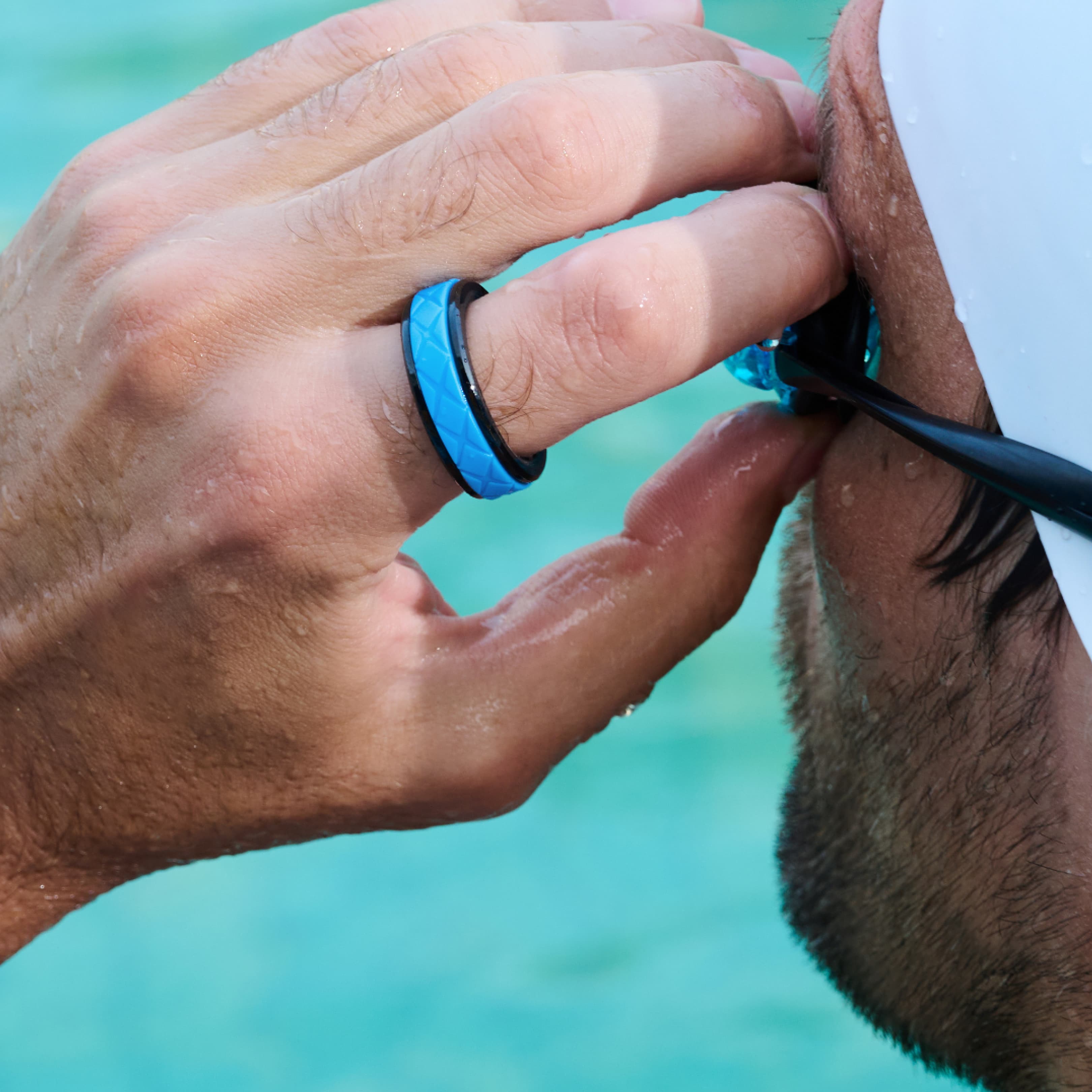
Wearable technology has fundamentally changed that. Continuous monitoring devices — particularly smart rings, which maintain consistent skin contact throughout the night — can now capture these metrics automatically, every night, without requiring any behavioral change from the athlete. The data accumulates over days and weeks, building a personalized baseline that makes individual anomalies far easier to detect. When your HRV drops fifteen percent below your personal average and your resting heart rate is four beats higher than usual, that combination carries much more actionable weight than either number interpreted against a population average.
For women runners specifically, the ability to overlay training load data against recovery metrics — and eventually against cycle phase tracking — creates a genuinely powerful feedback loop. Rather than guessing whether today is a good day for a hard interval session, athletes can look at objective data and make informed decisions about intensity, volume, and the need for an unplanned rest day.
Comparing Key Recovery Metrics for Female Runners
| Metric | What It Measures | Recovery Insight | Ideal Trend |
|---|---|---|---|
| HRV (Heart Rate Variability) | Autonomic nervous system balance | Readiness for training stress | Stable or rising over training blocks |
| Resting Heart Rate | Cardiovascular load | Accumulated fatigue signal | Consistent or declining over time |
| Sleep Score / Stages | Deep and REM sleep quality | Tissue repair and hormonal reset | High deep sleep percentage nightly |
| SpO2 | Blood oxygen saturation | Respiratory and circulatory health | 95–100% at rest |
| Stress Index | Sympathetic vs. parasympathetic balance | Emotional and physical strain load | Low stress during non-training periods |
Practical Steps for Building a Recovery-First Training Mindset
Adopting a recovery-first approach does not mean running less. It means running smarter by letting physiological data inform when to push and when to hold back. The first practical step is establishing a baseline. Before trying to interpret recovery metrics, you need several weeks of consistent data collected during a period of normal training. This baseline becomes the reference point against which future readings gain meaning. A single night of poor HRV tells you very little; a week of consistently low HRV during what should be a recovery week tells you a great deal.
The second step is learning to distinguish between acute fatigue and chronic fatigue. Acute fatigue — the tiredness that follows a hard long run — is normal and expected. It should resolve within 24 to 48 hours with adequate sleep and nutrition. Chronic fatigue, by contrast, is the accumulated load that does not resolve with a single rest day. It shows up as persistently suppressed HRV, elevated resting heart rate, declining performance despite maintained effort, irritability, and disrupted sleep. Recognizing the difference allows runners to intervene early, before overtraining syndrome takes hold and forces a much longer mandatory rest period.
Nutrition timing and quality play a more significant role in recovery than many recreational runners appreciate. Consuming adequate protein within the post-run window — ideally within 30 to 60 minutes of finishing — supports muscle protein synthesis during the critical early recovery period. Carbohydrate replenishment restores glycogen stores needed for the next session. Hydration status, which is easy to underestimate in cooler weather or shorter runs, affects both cardiovascular function and cognitive sharpness the following morning.
The Role of Sleep Architecture in Athletic Adaptation
Not all sleep is equal from a recovery standpoint. The body prioritizes different types of repair and adaptation during different sleep stages. Slow-wave deep sleep is primarily associated with physical tissue repair, growth hormone release, and immune function. REM sleep is critical for memory consolidation, emotional processing, and the neural learning that underlies motor skill refinement. A runner who consistently sacrifices sleep duration to fit in early morning training may be logging the miles while simultaneously undermining the adaptations those miles are meant to produce.
Women tend to have slightly higher proportions of deep sleep than men on average, but this advantage erodes with age, stress, and hormonal shifts. The luteal phase of the menstrual cycle, as noted earlier, is associated with higher core body temperature and more fragmented sleep in many women. Being aware of this predictable pattern allows female runners to take proactive steps — such as cooling the sleep environment, reducing evening training intensity during this phase, or adjusting expectations for next-day performance — rather than attributing poor mornings to personal failure or lack of willpower.
Building Sustainable Running Longevity Through Data Literacy
The runners who sustain consistent progress over years and decades are rarely those who trained the hardest in any given week. They are the ones who learned to read their bodies accurately enough to train hard on the right days and recover fully on the others. This skill — sometimes called training wisdom — has historically been developed only through years of experience, trial, error, and the willingness to listen carefully to subtle physical signals.
Wearable recovery tracking accelerates this learning curve significantly. By providing objective, continuous data that does not depend on subjective interpretation of how you feel on a given morning, it offers a more reliable feedback mechanism — particularly during the early years of running when athletes have not yet developed a deeply calibrated internal sense of their own recovery state. Over time, many experienced runners find that their subjective sense of readiness and their objective data converge. The data confirms what the body is already communicating; the body learns to read the data's language. This convergence is the hallmark of a mature, sustainable athlete.
For women navigating the additional complexity of hormonal variability across the month, data-informed training is not a luxury or a gadget-enthusiast indulgence. It is a genuinely practical tool for making sense of a body that does not behave the same way every day of every week — because it is not supposed to.
Watch: How Female Athletes Are Using Recovery Data to Train Smarter
https://www.youtube.com/watch?v=K2Pj0HCQPRY
[embed]https://www.youtube.com/watch?v=K2Pj0HCQPRY[/embed]
Final Thoughts
The conversation around women's running is evolving. Where once the only meaningful number was the weekly mileage total, athletes and coaches today understand that the quality of recovery between sessions determines how much of that mileage actually converts into lasting fitness. Tracking sleep quality, HRV, resting heart rate, and stress levels gives women runners a far more complete picture of their physiological state than any training log based purely on distance and pace.
If you are looking for a wearable designed to support this kind of continuous, comprehensive recovery monitoring — one that fits comfortably during both training and sleep without the bulk of a traditional fitness watch — Cudis offers a smart ring built around exactly these metrics, providing 24/7 tracking of sleep, HRV, blood oxygen, stress, and recovery in a lightweight, screen-free form factor suited for daily wear.